
The aromas of tamales returned to White Park for the 13th annual Tamale Festival on April 18.
The festival, hosted by the Spanish Town Heritage Foundation, celebrated the Trujillo Adobe's addition to the National Register of Historic Places last May.
This year's theme, "Todos Juntos," translating to "All Together," lived up to its significance.
Hundreds of people gathered, getting a taste of Latino culture. It was my first time at the festival.
"I grew up with all this," said Delilah Martinez, a first-time attendee. "I like these events because I always find out something new about my culture."
Agua fresca, tamales and quesadillas captured the culture's flavor. People waited in line, trying different food but what caught my attention was The Original Tamale Co.
I ordered a chicken chile verde (green salsa) tamal that was delicious. The ratio between the masa (flour) and the chicken was well-balanced. I enjoyed that the salsa wasn't spicy and I was able to taste the flavor of the tomatillo, a fruit native to Mexico.
Martinez rated the tamales from the festival being a 10 out of 10.
Entertainment kept the crowd moving at the White Park gazebo, with mariachi and ballet folklórico filling the schedule.
Ebeny Marin, a dancer with Ballet Folklórico de Riverside, performed at the festival. It was her first time performing with the group, and her family came out to support her.
Ballet folklórico is a predominant style of dancing in Mexico. Arianna Marin, who is also part of the group, shared that different regions in Mexico have adapted their own style of dancing. She felt that this is what makes folklórico special because it caters to everyone's roots.
"For the first time performing here, I think it went really good," said Arianna Marin.
Toward the end of the night the festival welcomed Ozomatli, a Los Angeles band that blends cumbias and rancheras with reggae and hip-hop, drawing in a wide audience by mixing styles.
"All of us came from different places, different traditions and different music," said Ulises Bella. "But the common factor was trying to get people to dance."
Raúl Pacheco said he brought more classic funk and Mexican music to the group.
The band from the start used their music to open up the discussion about political and social causes as Bella described, "music with a message."
"That part of Ozomatli has been there from the beginning," said Bella. "Whatever we could do to use our music to help."
"Each album is a representation of our first influences," Bella said. "By our third, fourth record we're delving into all kinds of music from around the world."
"A figure on the Aztec calendar, a little monkey and it represents dance, movement," said Pacheco.
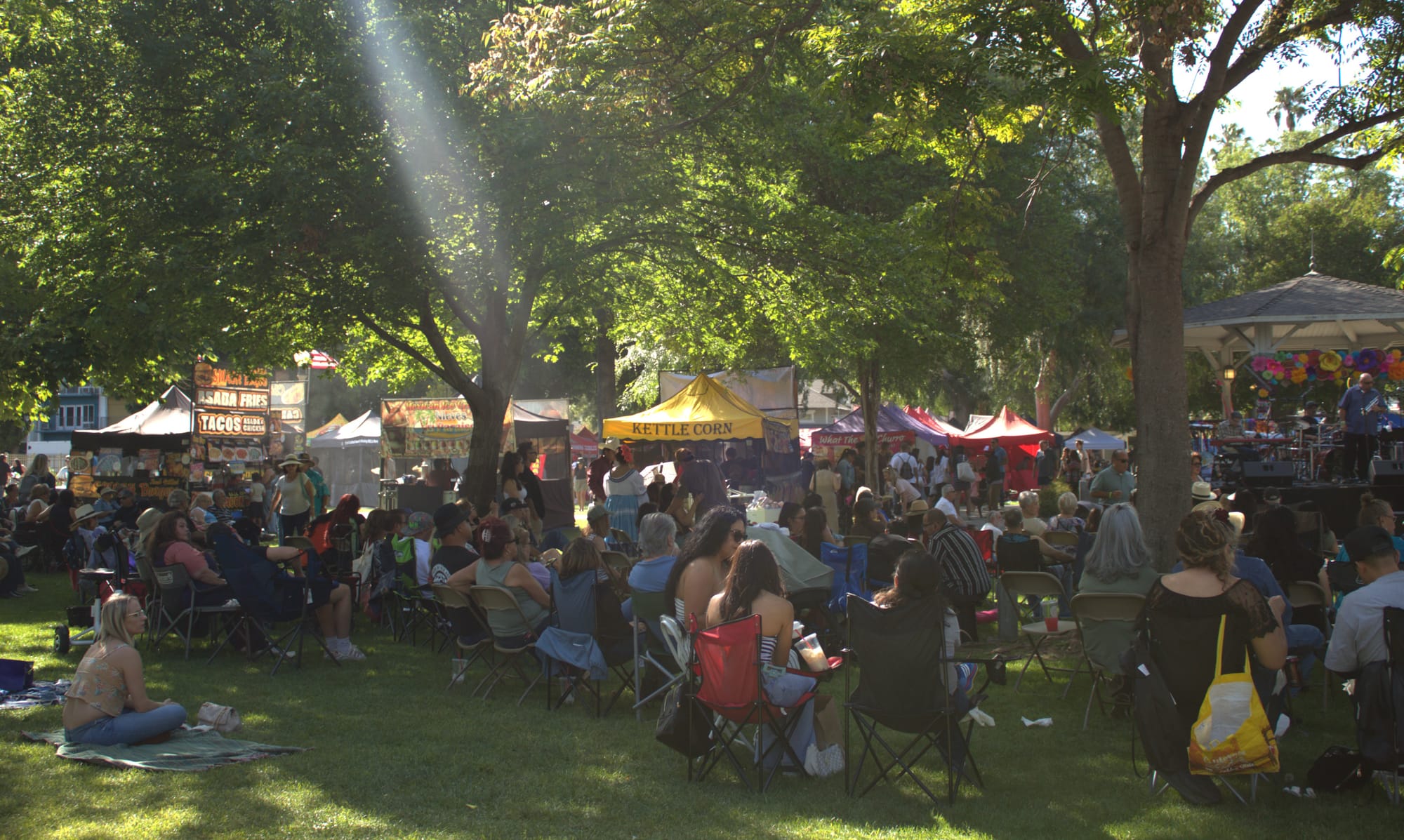
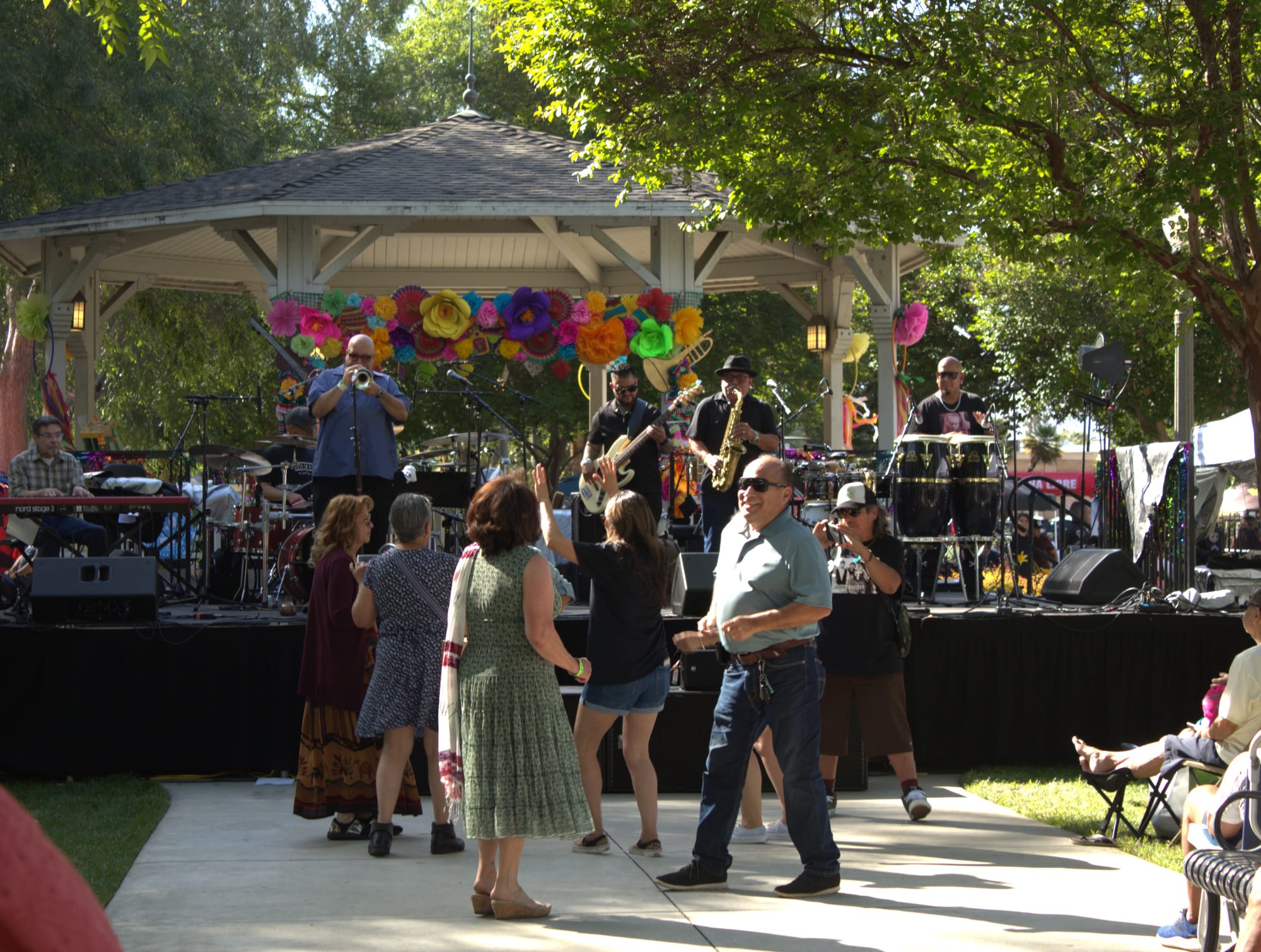
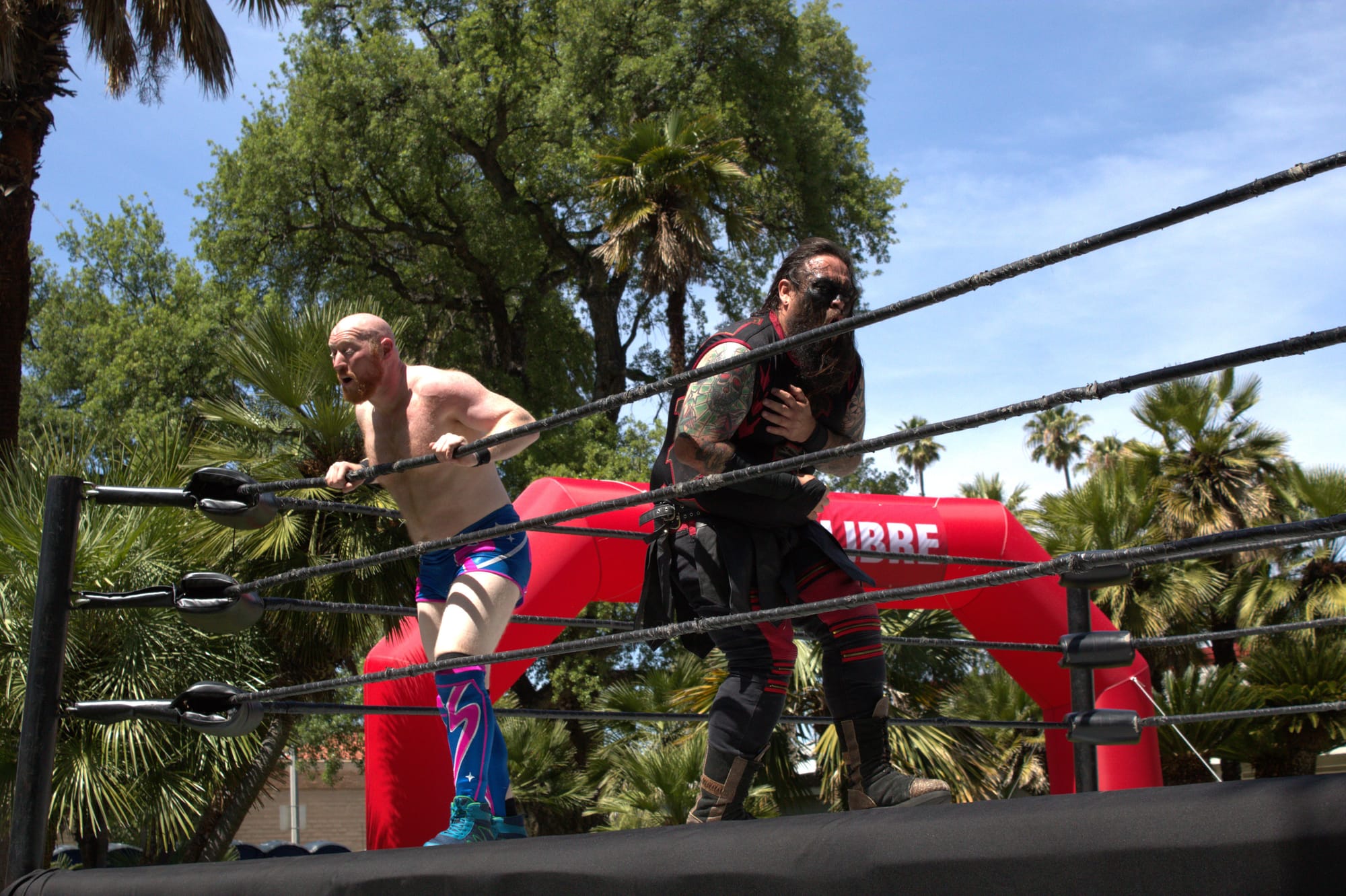
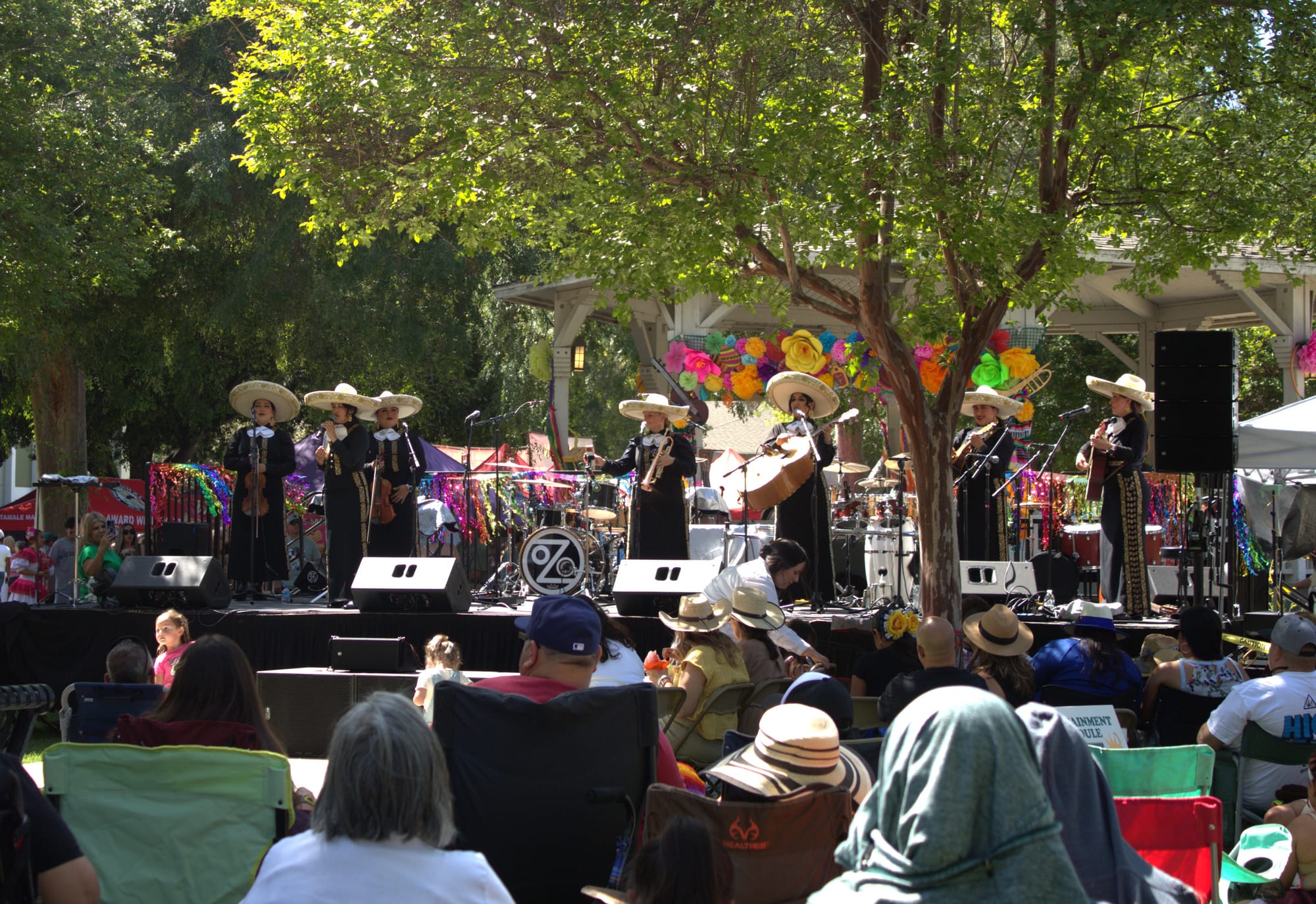
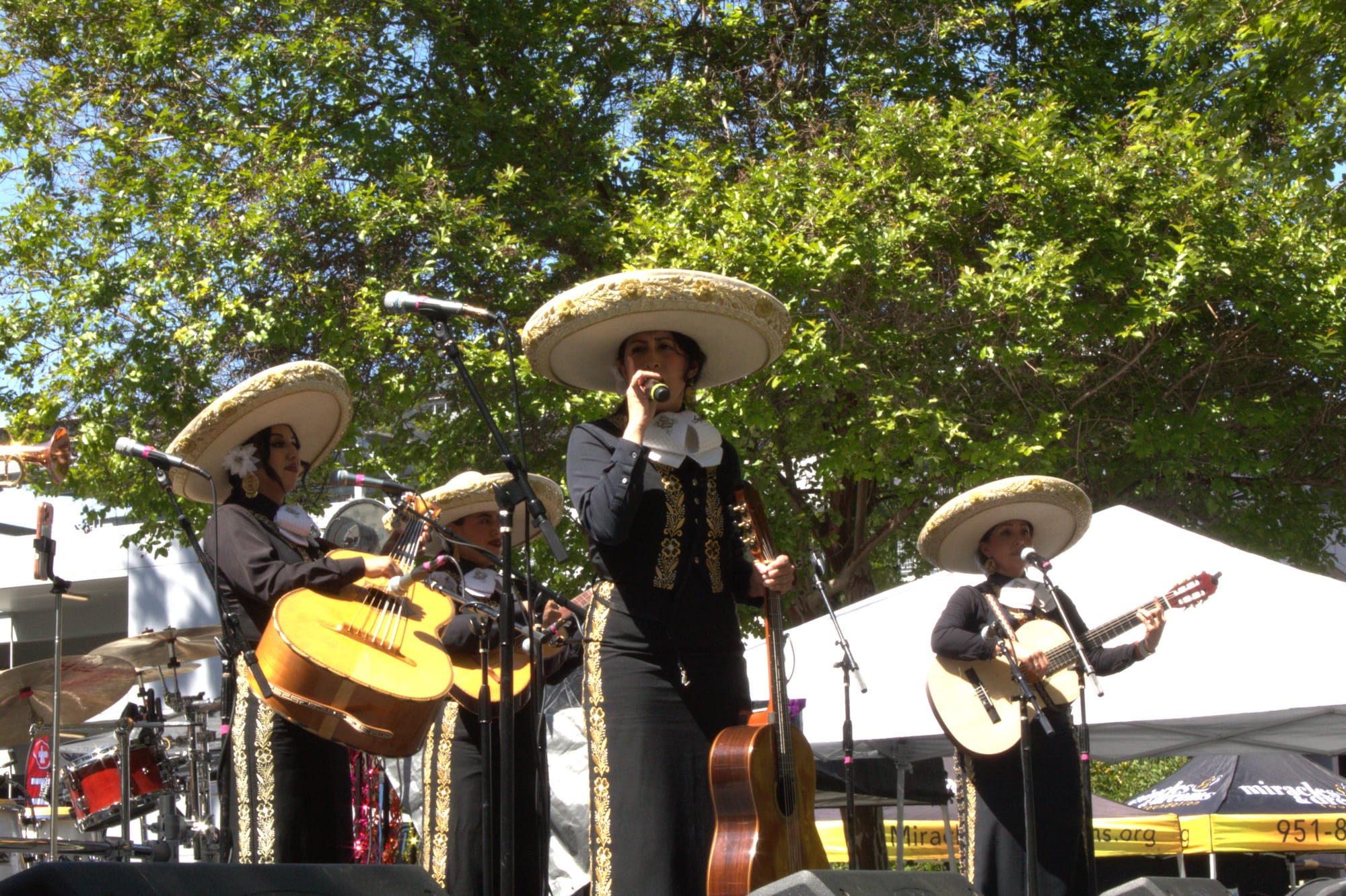
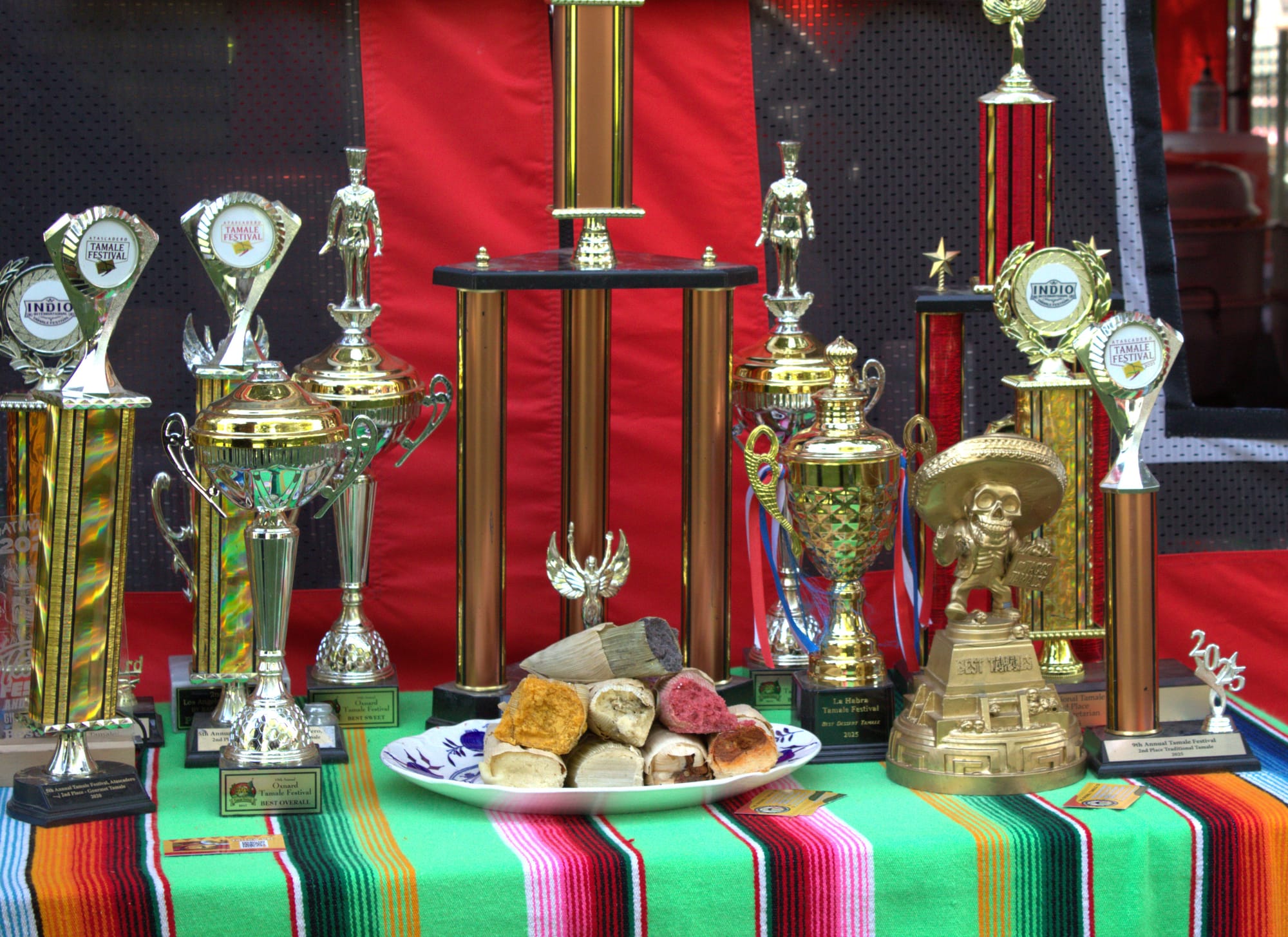
Scenes from the 13th annual Riverside Tamale Festival at White Park on April 18, 2026, including crowd gatherings, mariachi performances, lucha libre wrestling, dancing and the Best Tamale competition trophy display. (Marissa Perez)


